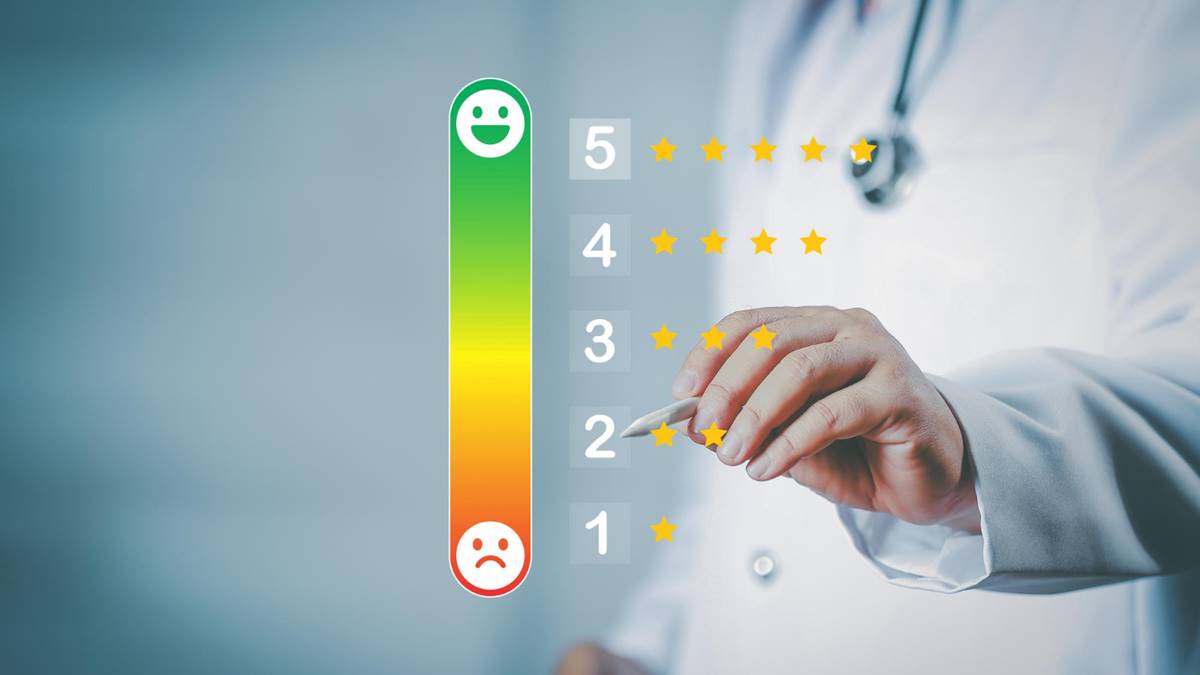
Healthcare is no longer defined solely by clinical expertise. Today, patient experience, communication quality, and data-driven improvement are just as critical as diagnosis and treatment. Modern healthcare providers operate in an environment where transparency, responsiveness, and personalization are expected—not optional.
One of the most effective ways to strengthen patient-centered care is through structured digital feedback systems. With the right tools, clinics, hospitals, and private practices can turn patient insights into measurable improvements.
Why patient feedback matters more than ever
In the past, feedback collection in healthcare often relied on paper forms handed out at reception desks. Response rates were low, and analysis was slow. By the time administrators reviewed results, the opportunity to act had often passed.
Today’s patients expect:
-
Clear communication
-
Efficient processes
-
Digital convenience
-
Personalized care
Healthcare providers must be able to capture feedback immediately after appointments, telehealth sessions, diagnostic procedures, or discharge. Real-time data enables real-time improvement.
Digital tools such as a questionnaire plugin for wordpress allow healthcare organizations running WordPress-based websites or patient portals to integrate targeted surveys directly into their digital ecosystem. This makes feedback collection seamless and context-aware.
Improving patient satisfaction in real time
When a patient completes a consultation—whether in person or virtually—the experience is still fresh. That is the optimal moment to ask short, focused questions such as:
-
“Did you understand your treatment plan clearly?”
-
“Was the waiting time acceptable?”
-
“Did you feel listened to?”
Immediate surveys allow providers to detect dissatisfaction early. If a patient reports confusion about medication instructions or frustration with scheduling delays, staff can intervene quickly.
This rapid response model strengthens trust and prevents small issues from becoming systemic problems.
Reducing patient churn and strengthening loyalty
Private clinics, dental practices, and specialized healthcare centers increasingly compete for patient retention. In this environment, one negative experience can push patients toward alternative providers.
Structured feedback enables healthcare administrators to identify friction points in the patient journey:
-
Complex appointment booking processes
-
Delayed follow-up communication
-
Billing misunderstandings
-
Poor digital portal usability
By resolving these issues proactively, providers protect patient loyalty and long-term treatment relationships—especially important for chronic care and rehabilitation programs.
Supporting accreditation and compliance
Healthcare institutions must meet strict regulatory and accreditation standards. Documented patient satisfaction monitoring is often a required component of quality assurance programs.
Digital survey systems provide:
-
Timestamped response logs
-
Exportable reports
-
Trend analysis over time
-
Audit-ready documentation
Instead of manually compiling feedback data, administrators can generate professional performance summaries quickly and efficiently.
Solutions like Modal Survey are particularly useful in this context because they combine flexible question logic with visual reporting tools, helping healthcare organizations maintain structured oversight without technical complexity.
Enhancing communication between staff and patients
Communication remains one of the most common sources of dissatisfaction in healthcare. Patients frequently report confusion regarding:
-
Post-treatment care instructions
-
Medication side effects
-
Insurance coverage
-
Follow-up scheduling
Short digital surveys reveal exactly where breakdowns occur. For example, if multiple patients indicate that discharge instructions were unclear, administrators can revise written materials or introduce additional counseling steps.
Better communication reduces medical errors, improves adherence to treatment plans, and increases overall patient satisfaction.
Identifying operational bottlenecks
Healthcare feedback should not focus only on clinical care. Operational efficiency significantly influences patient perception.
Survey data can uncover:
-
Excessive waiting room times
-
Registration delays
-
Inefficient check-in processes
-
Poor coordination between departments
When administrators consistently review these metrics, they can redesign workflows and allocate resources more effectively.
Operational improvements benefit both patients and healthcare staff, reducing burnout and enhancing service quality.
Supporting telemedicine and hybrid care models
The rise of telemedicine has created new experience challenges. While virtual appointments improve accessibility, they can introduce technical issues and communication barriers.
Post-consultation surveys help providers evaluate:
-
Video/audio quality
-
Ease of accessing the platform
-
Perceived attentiveness of clinicians
-
Privacy and comfort levels
Continuous measurement ensures that telehealth standards remain as high as in-person consultations.
Digital survey tools embedded within patient portals or websites make it easy to gather this information without disrupting the patient experience.
Personalizing care through pre-visit questionnaires
Surveys can also be used proactively before appointments. Pre-consultation questionnaires allow providers to collect information about:
-
Current symptoms
-
Anxiety levels
-
Accessibility requirements
-
Language preferences
This enables clinicians to prepare more effectively and tailor their approach. Personalization increases efficiency and strengthens patient confidence.
Using structured tools ensures that data collection remains organized and secure while maintaining compliance with privacy regulations.
Data protection and trust
Healthcare providers must prioritize data security and privacy. Any digital feedback solution should:
-
Limit unnecessary personal data collection
-
Provide anonymization options
-
Secure stored responses
-
Clearly communicate data usage policies
Trust is fundamental in healthcare relationships. Transparent feedback systems reinforce that trust by showing patients their voices are valued and protected.
Empowering healthcare teams
Feedback is not only for administrators—it supports frontline medical staff as well.
Sharing positive survey responses boosts morale in high-pressure environments. Identifying recurring challenges helps guide professional development and staff training initiatives.
When teams see direct patient feedback tied to measurable improvements, it strengthens organizational culture and accountability.
From reactive care to continuous improvement
Healthcare providers who integrate structured digital surveys shift from reactive problem-solving to proactive quality management.
Instead of waiting for complaints, they gain ongoing visibility into patient experiences. Instead of guessing where improvements are needed, they rely on real data.
Digital survey tools are not just administrative features—they are strategic assets that support:
-
Higher patient satisfaction
-
Better treatment adherence
-
Improved operational efficiency
-
Stronger compliance documentation
-
Enhanced staff performance
In an increasingly digital healthcare landscape, listening systematically is no longer optional. It is a defining characteristic of modern, patient-centered care.
By integrating intelligent survey systems into their digital infrastructure, healthcare providers create a continuous feedback loop—one that transforms insight into action and action into measurable improvement.